
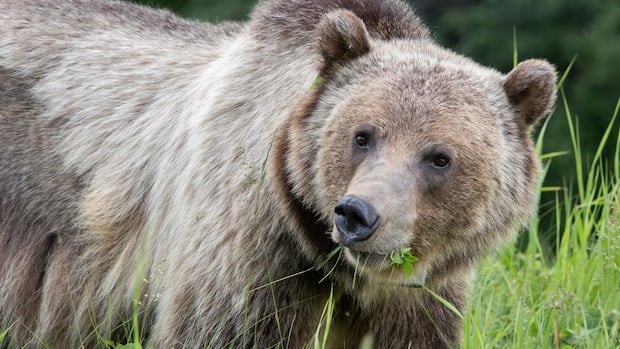
In Alberta, more grizzly bears were killed by humans in 2024 than in any other year on record, as per data released by the provincial government. The data, spanning from 2005 to 2025, is publicly accessible on the province’s website.
In 2024, a total of 40 documented grizzly deaths were reported, attributed to various causes such as poaching, vehicle collisions, and lethal removal by law enforcement. Notably, 21 of these fatalities were classified as “agency removals,” indicating that they were carried out by entities like Alberta Fish and Wildlife Enforcement Services and conservation officers. This marked the highest number of agency removals in a single year, with more than half of the total grizzly bear deaths falling under this category.
Previously, the highest known human-caused grizzly bear death toll was 29 in 2016, mainly due to vehicle incidents. In 2023, the record for the highest number of lethal removals by law enforcement was set when 12 out of 26 grizzly deaths were classified as agency removals.
Retired Fish and Wildlife officer John Clarke suggests that the surge in grizzly bear deaths in 2024 may be linked to the province’s updated grizzly bear response guide from 2023. Under the revised framework, bears are categorized based on various factors like age, presence of cubs, and problematic behaviors such as habituation to humans or preying on livestock. Clarke notes that the changes have empowered officers to make decisions regarding bear management, particularly lowering the threshold for euthanizing male grizzlies.
The latest response protocol allows for the immediate euthanization of a male grizzly reported as habituated or food-conditioned if it is outside defined recovery areas. Bears found in non-recovery zones can be culled irrespective of gender, unless they have cubs, in which case they are relocated initially but potentially euthanized after subsequent incidents.
The province emphasizes that officers must justify their actions when killing a grizzly bear and are expected to explore non-lethal methods like hazing and area closure before resorting to capture or euthanasia. The Ministry of Forestry and Parks underscores the importance of tailored solutions to address conflicts between humans and grizzly bears, attributing the fluctuating mortality rates to various factors such as local bear populations, environmental conditions, and human attractants.
In 2025, the total grizzly bear deaths declined to 18, with six involving agency removals. The province highlights that conflict incidents between grizzlies and humans can vary annually, influenced by factors like food availability and environmental conditions. Clarke suggests that the drop in deaths in 2025 could be attributed to the elimination of specific problematic bears the previous year.
Regarding interactions with humans and livestock, data from Public Safety and Emergency Services reveals that in 2024, there were two human-involved incidents and 92 livestock-related encounters. In 2025, three human interactions and 80 livestock conflicts were reported. Notably, these figures do not include incidents within parks and protected areas.
While the Alberta government has not documented any grizzly bear attacks on humans in the current year, there have been instances of livestock-related incidents. To address conflicts, the Rural Municipalities of Alberta have advocated for the legalization of grizzly bear hunting, which was banned in 2006. The government estimates a current grizzly bear population of around 1,000 in Alberta, with the last provincial population count conducted in 2018.

