
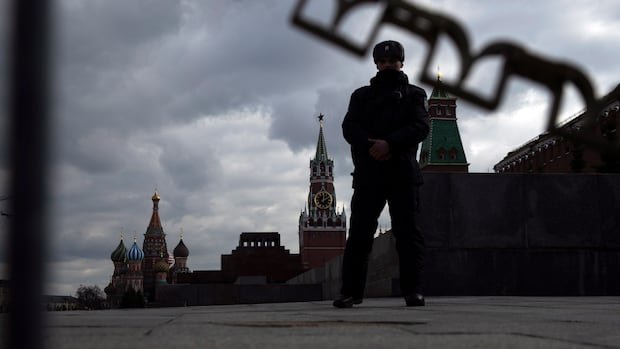
This summer has seen growing concerns in Eastern Europe about Russia’s potential actions to test NATO solidarity and challenge its stability. Poland and Romania have experienced several instances of Russian drone intrusions and a missile strike. The possibility of a Russian incursion has sparked speculation, particularly following the CIA director’s unexpected visit to Moscow.
Officials in Poland and the Baltic states are troubled not by the immediate threat of a large-scale Russian invasion but by the fear that Moscow might carry out a calculated, limited act of aggression. Such an action could be significant enough to unsettle NATO without triggering a clear response under Article 5, the alliance’s self-defense clause.
Recent events, including a Russian cruise missile hitting Poland’s Lublin province during an attack on Ukraine, have heightened concerns. Analysts suggest that the Kremlin’s frustration over its inability to defeat Ukraine militarily may lead it to focus on undermining NATO’s cohesion as a means to achieve its goals.
There are indications that Russia could escalate its risky behavior, but it remains uncertain whether President Putin intends to initiate a conventional war with NATO. Despite this, warnings from U.S., Polish, and Baltic officials about potential provocations have become more specific and urgent in recent months.
While there are doubts about Russia launching a direct military attack on NATO, there are concerns about Moscow’s willingness to engage in actions designed to sow discord and test the alliance’s resolve. The changing dynamics in NATO’s defense posture and the uncertain leadership response pose significant challenges in the face of potential Russian provocations.
The possibility of Russia using Ukrainian drones in a false flag operation against a Baltic country adds another layer of complexity to the situation. Such actions could create confusion within NATO and weaken support for Ukraine. These worrisome scenarios underscore the need for a coordinated and vigilant response from NATO members.
In this evolving security landscape, the role of the U.S. in leading NATO’s response is being closely watched. Questions remain about the level of commitment and leadership from the current U.S. administration in addressing potential Russian threats and maintaining NATO’s unity in the face of emerging challenges.

