
Two Indigenous communities are contesting the establishment of Bell Canada’s artificial intelligence (AI) data center located south of Regina, citing lack of consultation and insufficient information regarding its environmental implications.
The Standing Buffalo Dakota Nation addressed a letter to Bell’s president and CEO, Mirko Bibic, expressing concerns about the project being developed without their consent on traditional Dakota territory. The Nation emphasized its duty to safeguard its members, land, and future generations, asserting its right to evaluate the development independently through leadership channels.
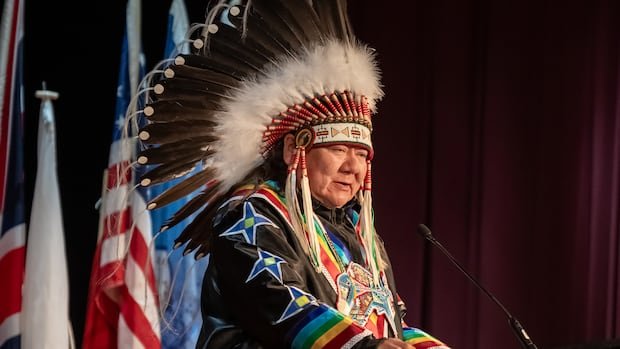
Chief Rodger Redman stated that as a sovereign nation situated on treaty land, they deserve consultation. They have given Bell a 10-day deadline to acknowledge their letter and 30 days to schedule a meeting involving provincial representatives.
Standing Buffalo, not a signatory to Treaty 4 but protected under the Indian Act, emphasized the need for consultation and transparency. Chief Redman asserted their sovereignty and readiness to pursue legal actions if Bell fails to respond.
While the province, in collaboration with Bell and George Gordon First Nation, lauded the AI data center as the largest private sector investment in Canadian history, valued at $52 billion, Redman stressed the obligation to consult with all affected Indigenous Nations.
Redman highlighted ongoing federal court litigation over consultation rights and criticized the lack of essential data on the project’s potential impacts on water, wildlife, and agriculture. He questioned the environmental studies conducted and sought clarity on the management of retired equipment to prevent toxic waste accumulation.
Separately, Carry the Kettle Nakoda Nation called for a construction halt until a thorough environmental assessment is completed. Chief Cliff Thomson raised concerns about water scarcity and the community’s reliance on cattle, advocating for meaningful consultation and protection of Treaty 4 rights.
Bell Canada affirmed its commitment to engaging with local communities and Indigenous groups on the project, ensuring compliance with regulatory and environmental standards. Premier Scott Moe’s office echoed support for the initiative, emphasizing adherence to environmental assessments and regulatory requirements to mitigate potential impacts and uphold legislation.
Both Indigenous communities demand respect for their rights, consultation, and transparency in the development process.
[Source](https://www.cbc.ca/news/canada/saskatchewan/first-nations-denounce-ai-data-centre-9.7371954)

