
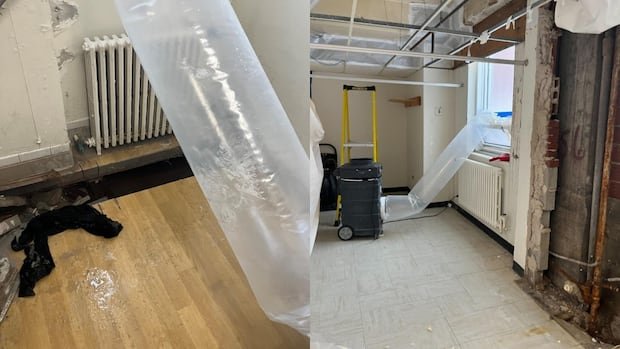
A briefing document obtained by CBC News has revealed ongoing issues with the hydronic heating system at a section of Newfoundland and Labrador’s rehabilitation hospital, warning of continuous failures and significant damage at the Dr. L.A. Miller Centre. The internal note highlights the potential risk to over $1.2 million worth of prosthetics and orthotics equipment and supplies due to the infrastructure problems.
According to the briefing note prepared for Newfoundland and Labrador Health Services officials in June, the repairs to the system are both expensive and unsustainable in the long run. The aging system is expected to face further failures, given its current state. The rehabilitation technology department, situated in the original part of the Miller Centre built in 1941, is responsible for providing orthotic and prosthetic services to more than 500 clients annually.
The department, staffed by 25 individuals, has been struggling due to the repeated system failures over the past one to two years, resulting in continuous disrepair. The note also mentions that a leak in the fabrication area could halt prosthetic and orthotic services entirely, significantly impacting patient care.
The provincial government had previously considered relocating the Miller Centre as part of plans for a new hospital to replace St. Clare’s Hospital, but those plans were scrapped earlier this year due to excessive costs. The briefing document also outlines the challenges in repairing the system, as the piping is buried beneath concrete floors and behind asbestos-containing plaster, necessitating complex containment and abatement procedures.
Despite the ongoing issues, the Miller Centre has not been earmarked for renovations in official announcements. The unfavorable working conditions are noted to be causing stress to the staff and hindering recruitment efforts. Newfoundland and Labrador Health Services have confirmed that repairs are underway, with an engineering firm tasked to review the system. Plans are being reviewed to enhance the area as part of the capital renewal and replacement program to ensure the delivery of high-quality care.
Alternative spaces are being utilized by the rehab technology department temporarily, with patients being informed of any changes to their appointments. The statement from NLHS emphasized the importance of maintaining facility operations and supporting the delivery of safe care through the renewal, repair, and replacement of aging infrastructure and systems.

