
Health Secretary Wes Streeting has received approval to eliminate 18,000 NHS managers, emphasizing that he is focused on efficiency rather than creating jobs. This restructuring initiative, sanctioned by the Treasury, targets back-office managers and administrative staff at NHS England and regional NHS centers. While the move is anticipated to save £1 billion annually by the end of the current Parliament, it will entail immediate costs of £1 billion for expenses like redundancy payments.
Concerns arose among NHS leaders regarding a potential £1 billion shortfall in this year’s finances due to the restructuring. However, a deal has been brokered between Wes Streeting and Chancellor Rachel Reeves to defer this payment. The Department of Health and Social Care (DHSC) is permitted to exceed its budget by approximately £1 billion in the current fiscal year but will need to repay this amount from future savings, leading to reduced funding in 2026/27.
Streeting emphasized that the savings from this overhaul will be redirected toward frontline healthcare services. He stated that the objective is to optimize spending by reallocating resources to essential functions, ensuring that every penny contributes to frontline services. The restructuring aims to streamline operations within NHS England and DHSC, eliminating redundancies and enhancing efficiency.
Integrated care boards (ICBs), responsible for local NHS commissioning, are expected to reduce their workforce by half, resulting in around 12,500 job cuts out of 25,000 positions. The government plans to trim administrative staff and managers by 50% across NHS England and the Department of Health, targeting 18,000 roles in total. These reforms aim to eliminate bureaucracy and generate £1 billion annually for enhancing patient services.
According to the government, the saved funds could finance an additional 116,000 hip and knee operations. Chancellor Rachel Reeves is anticipated to unveil further healthcare-related announcements during the upcoming Budget on November 26.
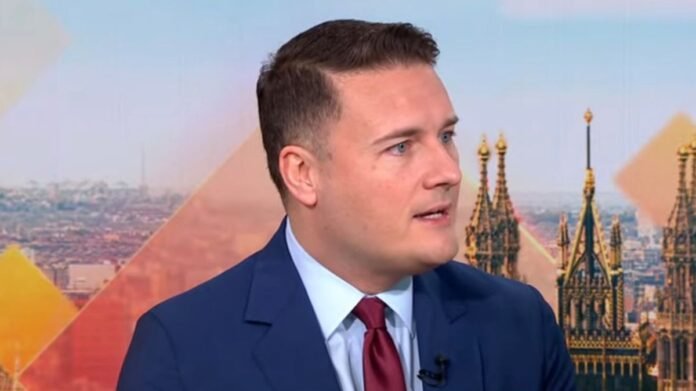
In a recent interview, Wes Streeting highlighted feedback from NHS staff regarding excessive layers of management and bureaucracy. He underscored the importance of prioritizing frontline services and streamlining operations to meet the public’s healthcare needs effectively.
During a speech at the NHS Providers conference in Manchester, Streeting expressed optimism about the healthcare system’s progress, noting improvements in reducing waiting lists and fulfilling manifesto commitments. However, he acknowledged ongoing challenges in access to services and treatment delays, emphasizing the need for continuous improvement in healthcare delivery.

