
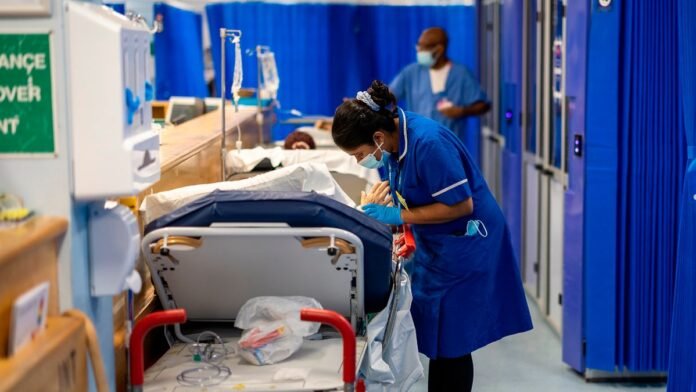
The NHS waiting list is showing a decline once again, as Health Secretary Wes Streeting expresses confidence in the health service’s progress towards recovery. In September, the backlog in England comprised 7.39 million appointments for 6.24 million patients, marking a decrease of 15,845 appointments from the previous month and 230,000 fewer than in July 2024. The waiting list for planned treatment had risen in the preceding months of June, July, and August.
Streeting noted the significant achievement of the waiting lists decreasing for the first time in 15 years, indicating a positive trajectory for the NHS’s recovery. However, the latest figures reveal that the NHS is currently experiencing its highest levels of activity heading into the winter season, amidst forthcoming industrial action by doctors and an anticipated rise in flu cases. When Labour assumed power in 2024, the NHS waiting list in England stood at 7.6 million, steadily increasing from 2.5 million in 2010 when the Tories took office.
NHS England reported record-high A&E attendances and ambulance incidents in October, along with the delivery of 14.4 million flu vaccines this autumn, surpassing the previous year’s figures. As resident doctors prepare for a five-day strike starting Friday, NHS national medical director Professor Meghana Pandit acknowledged the challenges faced by NHS staff this winter due to early flu peaks and increased workload. Pandit emphasized the importance of public cooperation in receiving flu, Covid, and RSV vaccinations if eligible, and advised using NHS 111 for non-urgent assistance and seeking emergency care when necessary.
Recent data indicates a decrease in the number of people waiting over a year for routine hospital treatment in September compared to the previous month. The government and NHS England have set a target to reduce this figure to less than 1% by March 2026. Tim Gardner from the Health Foundation highlighted the demanding situation for the NHS, particularly as it enters a challenging winter period. He stressed the urgency of resolving the doctors’ strike and addressing the pressures faced by urgent and emergency care services.
Furthermore, cancer treatment targets have fallen behind in September, with a lower percentage of patients receiving timely diagnoses or treatments. The government and NHS England have set additional targets to improve cancer treatment outcomes by March 2026. The article also mentions the increase in patients experiencing long waits in A&E departments, calling attention to the need for continued investment and resource allocation in healthcare services.
In conclusion, Streeting expressed optimism about the declining waiting lists and improved patient care, attributing the progress to government investments and modernization efforts. Plans to reinvest in frontline care and prioritize healthcare services in the upcoming budget were highlighted as crucial steps towards rebuilding the NHS after years of decline.

