
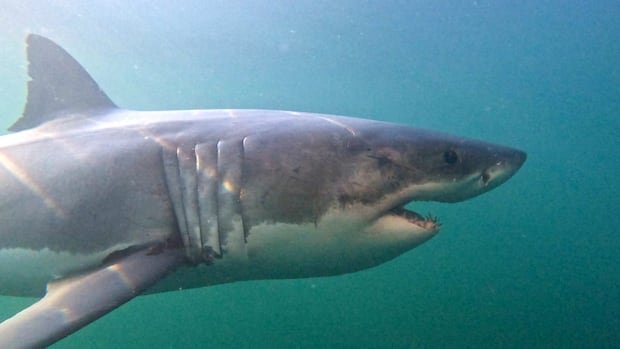
Countries worldwide where sharks are common have begun utilizing drones for early detection of shark presence near public beaches. However, officials in Nova Scotia have indicated that they currently have no plans to implement this technology. Paul D’Eon, the seasoned director of the Nova Scotia Lifeguard Service, acknowledged that drones are used by lifeguards in Australia and the United States but stated that they are not actively considering adopting drones at this time.
The Department of Natural Resources, responsible for overseeing the province’s public beaches, did not confirm any intentions to invest in aerial shark surveillance. According to Department spokesperson Lynette Macleod, drones are not currently utilized in the province. The lifeguard service, which diligently monitors 24 public beaches across the province during the summer months, revealed that great white sharks migrate to Nova Scotia’s warmer waters annually during this period.
Despite an increase in shark sightings, D’Eon, with over 50 years of beach protection experience, mentioned that there have been no shark attacks on Nova Scotian beaches under his watch. He noted a slight rise in shark sightings over the years, with beach closures due to shark sightings now occurring twice a year, as opposed to only every few years in the past.
While the lifeguard service constantly evaluates safety measures, D’Eon currently does not recommend investing in drone technology for shark surveillance in the province. He emphasized that if circumstances change significantly, they would reconsider the decision. In contrast, New South Wales in Australia has been utilizing drones to monitor its beaches since 2015, with recent funding boosts following a series of shark attacks.
The deployment of drones in New South Wales has proven effective, with lifeguards spotting sharks 73 times within the initial two days of the expanded program. Similarly, New York State and the New York City Police Department have introduced a drone fleet for shark detection, with the state allocating additional funds for this technology.
In Nova Scotia, a recent shark sighting at Martinique Beach led to a standard two-hour beach closure protocol. Beach enthusiasts expressed varying opinions, with some advocating for lifeguard-operated drones to enhance safety measures. Philip Skinder, head coach of the Pacific Lifesaving Club in Vancouver, supported the idea of investing in drone technology for beach safety, emphasizing the importance of saving lives and enhancing beachgoers’ peace of mind.
While some individuals like Amber Beaver expressed nervousness about shark sightings, others like Declan Byers emphasized the importance of proactive safety measures. D’Eon advised beach visitors to exercise caution by avoiding swimming during peak shark activity times and near seal colonies or active fishing areas.
In conclusion, while drone technology for shark surveillance is not currently on the agenda for Nova Scotia officials, the ongoing discussion highlights the importance of balancing safety measures with environmental considerations and public sentiment.

