
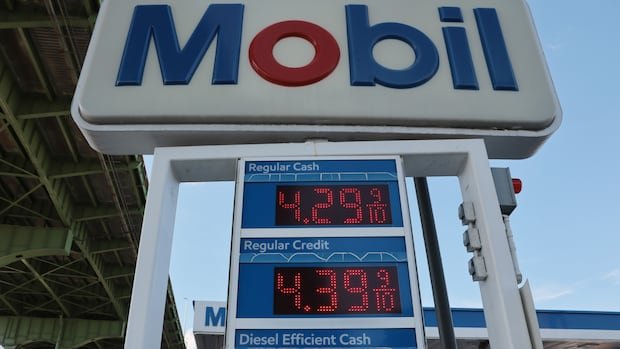
Canadians have witnessed the impact of U.S. President Donald Trump’s tariffs on Canadian products, totaling about $27.6 billion. However, the Iran war mismanagement by Trump has inadvertently benefited the Canadian economy. The increase in funds flowing into Canada from U.S. consumers’ gas pump payments is helping to offset tariff losses and may even surpass them.
Last summer, as tensions in the Gulf eased and oil prices declined from the initial spike due to the U.S.-Israeli attack on Iran, oil prices have surged back close to the previous highs. With Canada supplying over 60% of U.S. crude oil imports, the windfall from oil profits is expected to boost the Canadian economy significantly.
Recent developments in the Iran war, such as the Houthis seizing strategic locations in Yemen, have further disrupted oil supply routes, impacting Saudi oil exports. The closure of the Bab al-Mandab strait has forced Saudi Arabia to redirect oil shipments, affecting global oil markets.
The spike in oil prices has led to a substantial increase in profits for the Canadian oil industry and provincial governments like Alberta, which has shifted from a projected deficit to a surplus. Newfoundland and Labrador are also benefiting from the oil windfall, significantly reducing their deficit.
The surge in oil prices is expected to have positive effects on Canada’s overall GDP. Despite challenges posed by U.S. tariffs on Canadian goods, the oil windfall is projected to contribute significantly to the Canadian economy, potentially offsetting tariff losses.
The rise in oil prices is not only benefiting the oil industry but also creating opportunities for long-term investments and economic growth in Canada. The increase in offshore oil production and exploration activities in Newfoundland and Labrador illustrate the positive impact of the oil price surge on the Canadian economy.
While the uneven impacts of high oil prices are felt across different industries and regions in Canada, the overall economic outlook is optimistic due to the potential long-term benefits of increased oil revenues. The ongoing conflicts in the Middle East, coupled with the unpredictability of oil markets, highlight the importance of diversifying energy sources and investments for sustained economic growth.

