
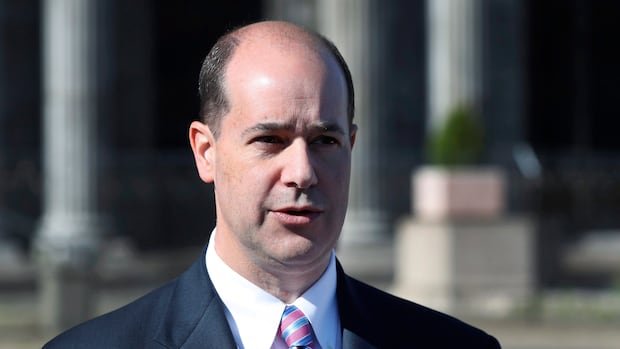
The owner of the Ambassador Bridge, Matthew Moroun, from the United States, had a meeting with senior Canadian government officials regarding the new Gordie Howe International Bridge a few months before the rival bridge opened. The details of the meeting remain undisclosed, as per documents obtained under the Access to Information Act.
The meeting, which took place on April 7, included Moroun, along with a senior lawyer and a financial executive from his family’s companies, meeting with Canadian officials from Housing Infrastructure and Communities Canada. The purpose of the meeting, requested by Moroun, was not fully revealed in the released documents.
The Ambassador Bridge, a crucial link for trade between the U.S. and Canada, faced potential financial impacts as the new Gordie Howe Bridge was projected to divert a significant portion of its traffic. With the Ambassador Bridge handling over $140 billion in merchandise trade in 2021, the stakes were high for Moroun and his business interests.
Despite attempts to reach out to the Ambassador Bridge for comment on the meeting, no response was received. The Canadian government was under pressure to get the $6.4 billion Gordie Howe bridge operational amidst political tensions.
The involvement of a private owner in an international border crossing operation raised concerns about transparency and highlighted the complexities of managing a privately owned bridge alongside a publicly owned competitor. This unique situation added layers to diplomatic relations between Canada and the U.S., especially as trade dynamics evolved.
Discussions with private bridge owners are not uncommon, according to Housing Infrastructure and Communities Canada, as they play a vital role in facilitating trade and commerce. The department emphasized the ongoing collaboration with stakeholders to enhance the trade corridor generating economic activity on both sides of the border.
Following the meeting, a federal briefing note indicated that Moroun acknowledged the Gordie Howe Bridge’s imminent opening. Subsequently, the Ambassador Bridge announced toll rate reductions for certain users, positioning them competitively against the new bridge.
The transition from a monopoly situation to a competitive environment posed challenges for the Ambassador Bridge, leading to strategic adjustments in response to the new publicly owned rival. Despite changing tactics, the overarching objective remained protecting the family business, as evidenced by years of legal challenges and lobbying efforts.
The alignment between the Moroun family and the Trump administration, driven by shared interests in private enterprise and trade dynamics, reflected a complex interplay of business interests and political considerations. This alignment, rooted in an “America First” approach, showcased the intricate relationship between business operations, government policies, and cross-border trade dynamics.

