
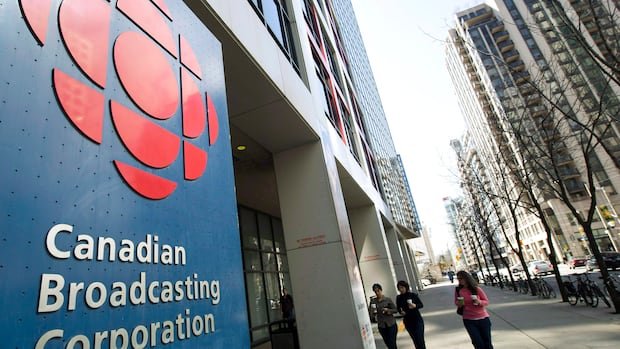
The media accreditation of CBC/Radio-Canada journalists for the upcoming Republican Party midterm convention has been revoked by the party. Chuck Thompson, the head of public affairs at CBC, confirmed on Monday that the Republican National Committee (RNC) will no longer grant accreditation to CBC/Radio-Canada journalists to cover the convention scheduled in Dallas, Texas, on September 9 and 10. In response to this decision, CBC expressed disappointment and hopes for reconsideration.
Despite CBC News’ attempts to reach out for comments, convention organizers did not immediately respond on Monday evening. The White House directed CBC’s inquiries to the RNC, which was unreachable by phone. This development comes amidst escalating tensions between Canada and the United States due to recent sanctions and contentious rhetoric from politicians on both sides of the border.
In addition to this accreditation issue, Republican lawmakers and Trump administration officials have criticized CBC following the public broadcaster’s leaked internal memo about using the terms “terrorism” and “terrorist” in relation to the 9/11 attacks. This memo, which suggested avoiding labeling specific attacks as “terrorist acts” unless attributed, faced widespread criticism ahead of the upcoming 25th anniversary of 9/11.
Responding to the backlash, CBC’s senior director of journalistic standards and public trust, Basem Boshra, announced adjustments to the language guidance to clarify that direct attribution is not mandatory when describing the historic events of 9/11 as terrorism. This modification aims to enhance clarity and public understanding, addressing unintended obstacles to transparent communication.
The Republican Party’s decision to revoke CBC/Radio-Canada’s media accreditation for the upcoming convention has sparked controversy and raised concerns about press freedom and journalistic standards. The escalating tensions between the U.S. and Canada, coupled with internal debates over language usage related to sensitive historical events, underscore the complexities of media coverage and political discourse in today’s charged environment.

