
Hating a film can be just as engaging and possibly more enjoyable than loving it. A movie that is incredibly foolish, poorly planned, or downright malevolent can offer as much material for contemplation and conversation as one that is truly touching. In both scenarios, there is at least something worth caring about.
This is what makes encountering a film like “The Social Reckoning” so disheartening. The sequel, written and directed by Aaron Sorkin, to 2010’s remarkable Facebook origin tale “The Social Network,” penned by Sorkin and helmed by David Fincher, falls into the category of those rare, reprehensible anti-art creations.
“The Social Reckoning” attempts to delve into Facebook’s era of continuous expansion and aims to criticize one of the tech oligarchs of the modern age. However, it fails to deliver on its implicit promise of being a sharp and timely piece that challenges perceptions. Instead, the movie, with its uninspired narrative and lackluster character development, struggles to evoke any strong emotions, let alone productive hatred.
The cast and crew of “The Social Reckoning” include some of the most intriguing talents in the industry. The storyline revolves around the growth of Facebook and promises to expose a pattern of malpractice that has undermined governments and truth itself.
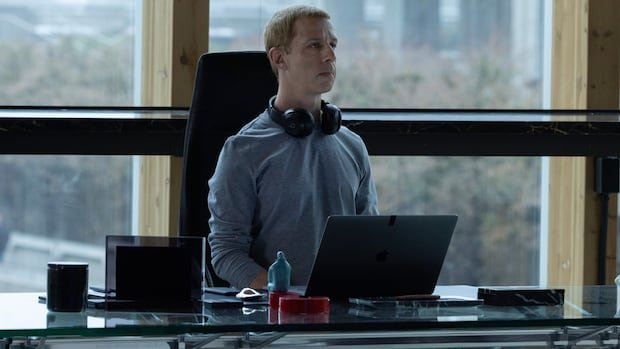
The portrayal of Mark Zuckerberg by Jeremy Strong in this film lacks the depth and intrigue that Jesse Eisenberg brought to the character in the original movie. Strong’s performance, while highlighting some eccentricities of Zuckerberg, feels incidental to the plot, failing to engage viewers on a deeper level.
The blame for the shortcomings of “The Social Reckoning” falls squarely on Aaron Sorkin. The film, with its clichéd narrative and lack of substance, fails to live up to the expectations set by its predecessor. It comes across as a mundane and disappointing attempt at tackling relevant issues, leaving audiences with a sense of dissatisfaction.
In the end, “The Social Reckoning” misses the mark not only in comparison to its predecessor but also on its own merits. The film’s lack of risk-taking and artistic vision contributes to its overall mediocrity, making it a forgettable and uninspiring piece of cinema.

