
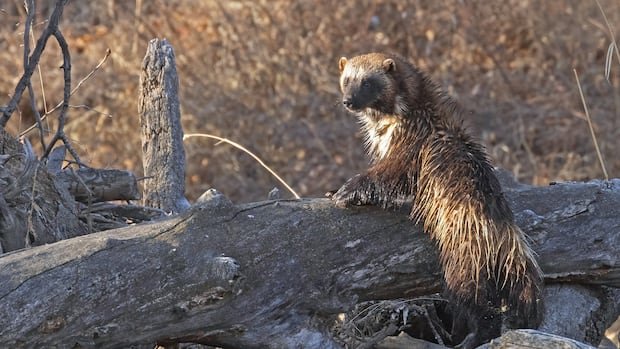
A recent study reveals that activities like skiing, snowshoeing, and snowmobiling in remote areas are impacting wolverines more than previously thought. Research conducted in the Columbia and Rocky Mountain ranges, including Banff National Park, indicates that regions with higher recreational and road traffic show lower wolverine populations.
The study, led by Mirjam Barrueto from the University of Calgary in collaboration with Parks Canada, covered an extensive 80,000 square kilometers known for its wolverine-friendly environment. While the area was expected to support around 500 to 600 wolverines based on prior estimates, the study found only about 300 residing there.
Notably, winter activities were found to have a more significant impact compared to summer activities. Barrueto highlighted that winter recreation, especially skiing and snowmobiling, leaves a larger footprint due to the accessibility brought by snow cover.
Female wolverines, particularly vulnerable during the winter when raising their young, are at risk of disturbance, leading them to abandon food caches or expend energy avoiding human presence. Barrueto suggested temporarily restricting access to sensitive winter habitats as a potential solution.
The study also noted a decline in female wolverine numbers with an increase in road networks, raising concerns about the species’ conservation. Wildlife ecologist Jason Fisher emphasized the importance of protecting undisturbed habitats like the Rocky Mountains to safeguard wolverine populations.
Furthermore, even minimal human activity, not just sheer numbers, can drive wolverines away from an area. Barrueto emphasized the significance of staying on established trails to minimize disruptions to wolverine habitats.
Fisher stressed the urgent need for proactive conservation measures to address additional threats like trapping, hunting, and vehicle collisions that further endanger wolverine populations. He advocated for immediate action to ensure the long-term survival of these resilient creatures in their mountainous habitats.

