
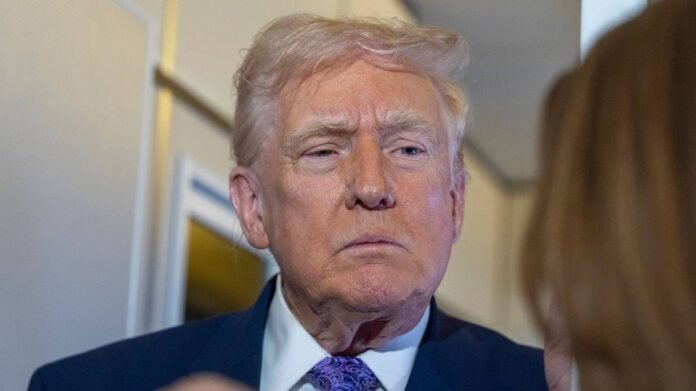
It has been a challenging period for the United Kingdom. The relationship between Britain and the United States, which is crucial across various domains such as economics, defense, and culture, has faced strain recently. The behavior of the US leader towards Britain has been described as aggressive, disrespectful, and detrimental to international norms and the NATO alliance.
Recent remarks made by the US leader have sparked outrage, particularly his assertion that UK and other NATO allies did not actively participate in frontline operations. This statement has been deemed not just a mistake but a direct insult to the 457 British families who lost loved ones in Afghanistan, as well as to numerous individuals who sustained physical or mental injuries from war.
The call for a proper apology from the US leader, as emphasized by the UK Prime Minister, is in line with NATO’s core principle outlined in Article 5, which stipulates collective defense among member nations. The historical significance of this principle was exemplified only once before, following the 9/11 attacks.
Contrary to the US leader’s claims, countries like Britain, France, and Denmark, among others, have consistently demonstrated their commitment to NATO obligations. Denmark, in particular, has made significant sacrifices in terms of casualties per capita. Despite the contentious rhetoric from the US leader, there is a sense of solidarity and mutual respect among military personnel from different nations who have served together in various conflicts.
The UK government’s firm stance against unwarranted threats and actions from the US leader reflects a united front with allied nations. Maintaining a strong position while upholding international norms and boundaries is paramount. While there are calls to reassess the UK’s relationship with the US, the Prime Minister’s approach demonstrates that standing up to assertive behavior can be done without jeopardizing the longstanding ties between the two countries.
Furthermore, it is essential to recognize that the UK-US relationship extends beyond individual leadership tenures. The enduring nature of the Special Relationship will persist beyond any political shifts.
In a separate development, the government’s consideration of prohibiting social media access for individuals under 16, following Australia’s similar move in 2025, highlights growing concerns about the misuse of digital platforms. Instances of foreign disinformation campaigns via social media platforms pose a significant threat to democratic processes, necessitating enhanced vigilance and protection measures.
As the UK gears up for upcoming elections, safeguarding against external interference, particularly through social media channels, is imperative. The need for heightened awareness and proactive measures to combat misinformation and foreign influence is crucial in preserving the integrity of democratic processes.
In a heartwarming incident, Alistair Harper from Highbury demonstrated exceptional bravery and compassion by coming to the aid of an elderly woman in distress, showcasing the power of community spirit and altruism.
Addressing societal challenges, such as ensuring no child attends school hungry, remains a priority. The government’s initiative to expand breakfast club programs across England underscores a commitment to supporting families and enhancing educational opportunities. Such interventions not only alleviate financial burdens but also contribute to a nurturing learning environment for children.
Emily Thornberry serves as the Chair of the Commons Foreign Affairs Committee.

