
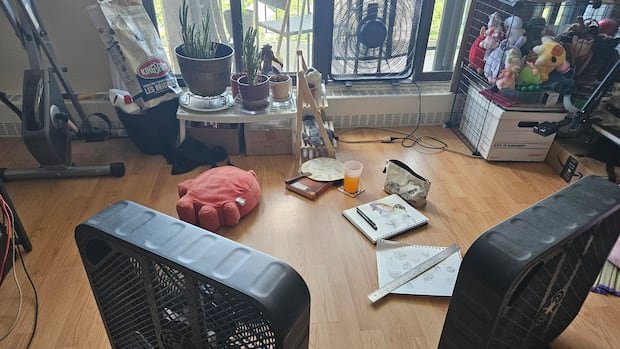

Following the recent heat wave in mainland Nova Scotia, Miriam Williams and her spouse have resorted to running six box fans in their apartment to alleviate the oppressive 40-degree Celsius heat.
Williams, a participant in a rally organized by tenant advocacy group ACORN, emphasized the urgent need for government intervention to address the escalating risks associated with extreme heat, including setting indoor temperature limits for rental properties and offering cooling subsidies.
Expressing concern for vulnerable groups such as children and elderly individuals enduring the heat wave, Williams highlighted the lack of action from the government during this period.
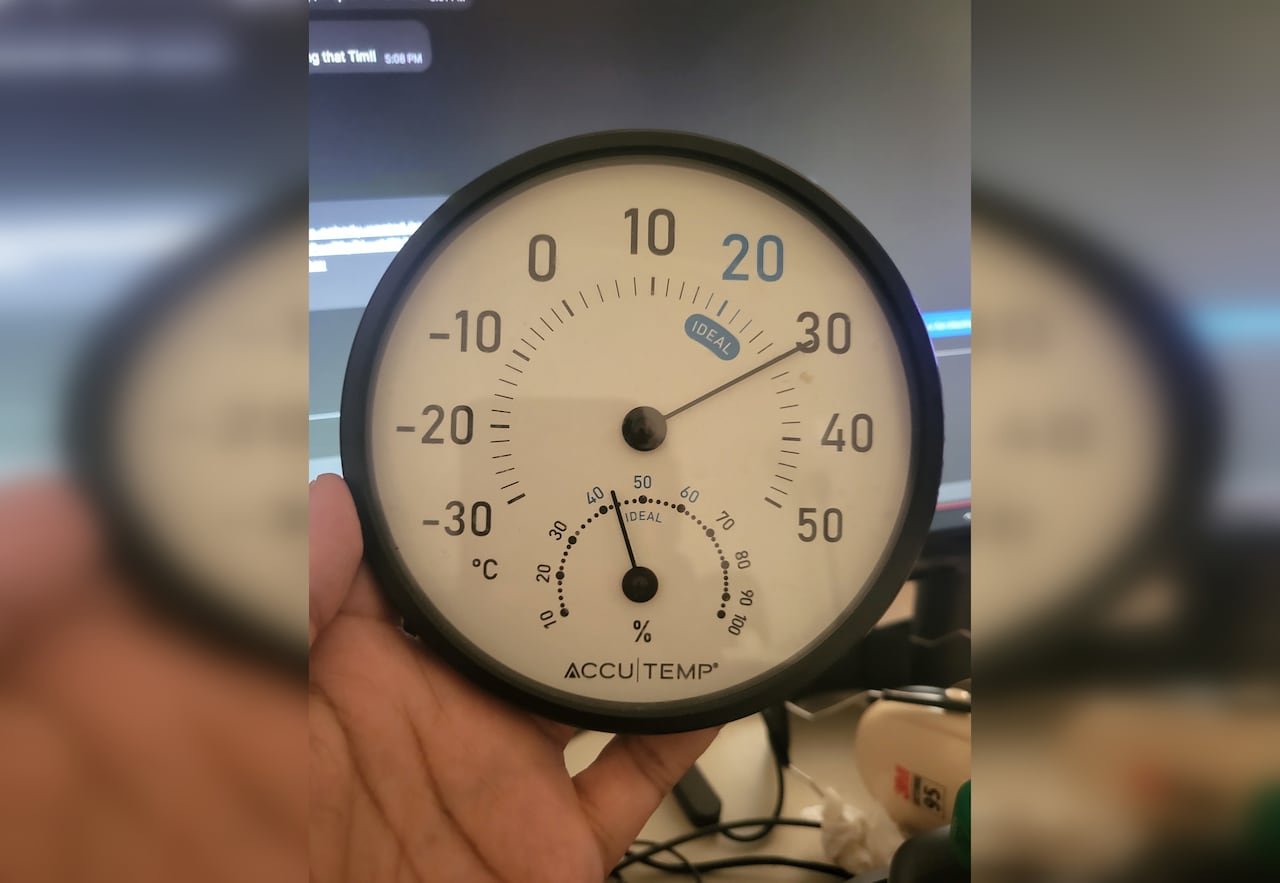
Christian Salmeron, another rally attendee, shared his struggle to find relief from the heat, resorting to seeking air-conditioned spaces for work due to the unbearable indoor temperatures ranging from 28 to 30 degrees Celsius.
While the building management has not explicitly prohibited window air conditioners, neither Salmeron nor other tenants in his building have installed them, citing cost as a barrier.
Similarly, Williams, who owns a portable air conditioner, refrains from using it regularly due to the associated high operational costs.
The protesters advocated for a province-wide regulation on indoor temperature, urging authorities to prevent landlords from banning specific types of air conditioning units and to provide financial aid for their purchase.
Although there is no standardized reporting method for heat-related deaths in Canada, a report from British Columbia indicated that the 2021 heat wave resulted in 619 fatalities in the province.
In a progressive move, New Westminster in B.C. became the first city council in Canada to pass a bylaw amendment mandating that all rental units maintain a safe indoor temperature averaging 26 degrees Celsius during nighttime hours.
The provincial government clarified that decisions regarding supplementary air conditioning units are at the discretion of building owners, emphasizing the responsibility of landlords to ensure safe and habitable living conditions.
Local authorities, such as Sarah Brannen from the Halifax Regional Municipality, underscored ongoing efforts to address indoor heat risks and enhance community preparedness for extreme heat events as part of the city’s climate action plan.
MORE TOP STORIES
-
Adsum House ‘sickened’ by past misogynistic song made by N.S. cabinet minister, calls for his removal
-
At Canada’s largest keel-boat regatta, advocates hope to see more women ride the wind
- <a class="cardWrapper-u5T0r cardWrapper-_487P noPaddingCardWrapper" data-feature-instance="similar-link" data-feature-name="link" data-contentid="9.7307602" aria-hidden="false" data-cy="type-link" href="https://www.cbc.ca/news/canada/nova-scotia/former-current-nova-scotia-politicians-national-congress-9.730
