
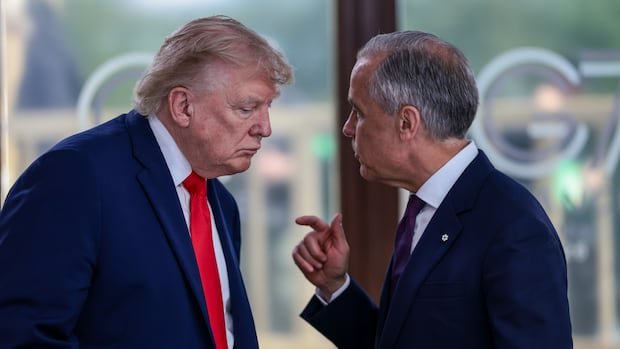
Canada is in ongoing discussions with the United States to secure a trade agreement that would prevent the imposition of significant tariffs by U.S. President Donald Trump. Negotiations aim to also address existing tariffs affecting key sectors of the economy. Despite recent meetings between Canadian and American officials, a resolution has not been reached.
Reports suggest that Canadian negotiators are concerned about their ability to prevent the enforcement of a 50% tariff on numerous Canadian goods. Washington remains firm in its demands, citing alleged discriminatory practices by Canada in the automotive, dairy, and alcohol industries.
In the automotive sector, the U.S. proposed reducing its current auto tariffs from 25% to 12.5%, a move deemed insufficient by Canada. The U.S. claims that Canadian trade policies unfairly target American automobile imports. Lana Payne, representing Unifor, emphasized the need for a beneficial deal while cautioning against conceding to permanent auto tariffs.
Regarding dairy, the U.S. has criticized Canada’s supply management system, particularly its treatment of American dairy products. Negotiators anticipate concessions from Canada on this issue, despite potential political implications.
In the alcohol sector, provinces are urged to prepare for the reintroduction of U.S. alcohol in the event of a trade agreement. Challenges persist as some provinces resist lifting bans on American alcohol sales without sector-specific relief.
Steel and aluminum tariffs are another focal point, with Canada advocating for reductions in existing U.S. tariffs. Efforts to support affected industries include financial aid programs and transportation cost subsidies.
Discussions on softwood lumber tariffs have been less promising, as the U.S. shows reluctance to engage on this front. Trump’s impending tariffs are expected to impact various lumber products, posing challenges for Canadian producers.
In the critical minerals, energy, and security sectors, the U.S. seeks preferential access to Canadian resources essential for national security. Canada’s strategic mining projects align with U.S. interests, but negotiations also involve sensitive issues like defense procurement decisions.
The intricacies of these trade talks underscore the complexity of Canada-U.S. relations and the economic stakes involved. Both countries are under pressure to find common ground and avert potential trade disruptions.

