
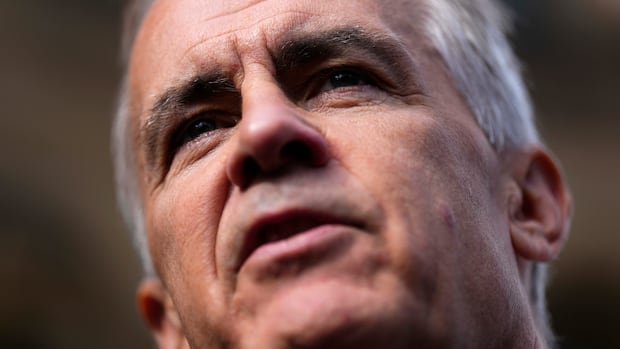
Prime Minister Mark Carney has cautioned Canadians about the consequences of shifting focus away from the United States, emphasizing that the alternative is preferable despite its associated costs. Carney, in a recent video release following the activation of Canada’s retaliatory tariffs, reiterated the country’s strategy to mitigate the impact of the U.S. trade dispute by forging new trade agreements with other nations to reduce dependence on the U.S.
Addressing Canadians through his video series initiated last spring, Carney emphasized the objective of emerging stronger and more resilient, ensuring that no nation can exert control over Canada’s trade practices and cultural integrity. He accused the U.S. of attempting to impose restrictions that would hinder Canada’s trade capabilities and jeopardize the promotion and preservation of French language and culture.
The Federal Conservatives have persistently urged Carney to disclose the full details of the abandoned deal and have called for an earlier recall of Parliament than the scheduled return date in September. Carney highlighted in his video address the targeted nature of Trump’s tariffs, particularly affecting workers in provinces like Ontario, Quebec, and British Columbia while sparing those in Alberta and Saskatchewan.
Expressing his determination to resist U.S. pressure to annex Canada, Carney underscored the need for Canada’s reciprocal tariffs to safeguard its workforce and industries. He drew a parallel to historical events, referencing the imposition of 50 percent tariffs by the Benjamin Harrison administration in 1890, which aimed to coerce Canada into reliance and eventual annexation but instead led to Canada’s diversification and resilience.
Canada’s retaliatory tariffs, matching the value of U.S. exports at $27.8 billion, were enforced in response to Trump’s recent tariffs on various Canadian products. Carney emphasized the necessity of these tariffs to protect Canadian interests and prevent unfair trade practices.
In conclusion, Carney emphasized the importance of Canada’s strategic response to the trade dispute, highlighting the country’s resilience and determination to pursue independent trade relationships while safeguarding its economy and cultural identity.

