
As the fall referendum in Alberta nears, municipalities in the province have been informed that they are not allowed to engage in campaigning on the referendum issues.
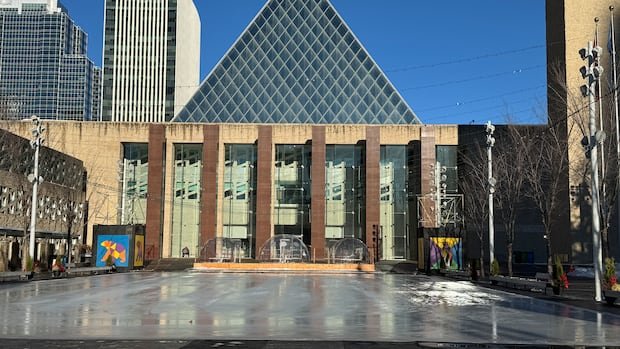
Elected officials have been sharing their views on Alberta independence and encouraging residents to vote in a certain way in the upcoming October referendum. Edmonton city council recently supported Mayor Andrew Knack’s motion affirming that Edmonton and Alberta are essential parts of Canada and advocating for Alberta to remain a province within a united Canada.
Mayor Knack emphasized that the council’s role is to represent the city and expressed concerns that the referendum question could be a distraction. He highlighted the potential economic repercussions if Edmonton were to separate from Canada, stating that it could cause significant harm.
While mayors and councillors are permitted to take a position on the matter, Alberta legislation prohibits municipalities from fundraising or advertising to support a particular side. This restriction is outlined in the Elections Finances and Contributions Act, which categorizes municipalities as prohibited corporations, preventing them from acting as third-party advertisers with expenditures exceeding $1,000.
Political science professor Brendan Boyd explained that while politicians are allowed to voice their opinions and pass motions, they must be cautious to avoid activities that could be perceived as advertising or campaigning. He noted that attending and speaking at events could fall under the umbrella of advertising or campaigning.
Calgary Mayor Jeremy Farkas has strongly opposed separation, emphasizing the need to resist and push back against it. He called for a change in legislation to permit municipalities to engage in formal campaigning.
However, Calgary Coun. Landon Johnson stressed the importance of maintaining neutrality, suggesting that cities and towns should focus on ensuring a smooth referendum process without taking sides.
Elections Alberta recently issued a bulletin to clarify the rules for municipalities under the Elections Finances and Contributions Act, aiming to address confusion and misinformation surrounding referendum advertising regulations.
Professor Boyd pointed out that the same rules governing general elections, where municipalities cannot campaign for specific parties, also apply to the 10-question referendum. He emphasized the importance of distinguishing between general discussions about Canada or Alberta and actual advertising or campaigning activities related to the referendum.

