
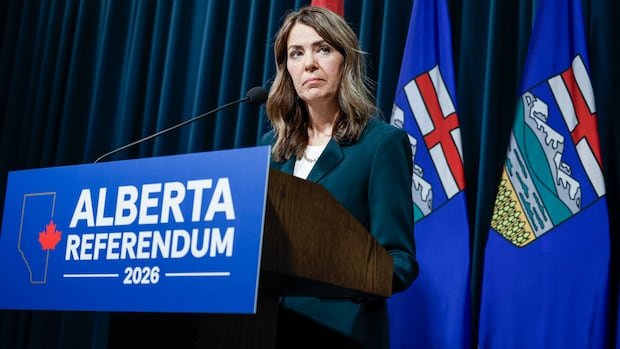
If Albertans vote affirmatively for the five immigration queries in the upcoming fall referendum, a significant number of Alberta’s 260,000 temporary workers and other non-permanent residents could face the risk of losing their health and education benefits. Additionally, all residents might be required to pay access fees in addition to their existing taxes.
Regarding the primary inquiry on Alberta’s October 19 ballot, Premier Danielle Smith has expressed her opposition to secession. However, she supports and plans to actively campaign for the other nine questions related to immigration and constitutional reform. Smith views these questions as a middle-ground approach for supporters to convey their discontent with Ottawa without advocating for separation.
Critics argue that these ballot measures could have substantial implications for temporary residents, including asylum seekers, student visa holders, temporary foreign workers, and their families. However, understanding the full impact of these measures can be perplexing.
If voters support the provincial government gaining more control over immigration to regulate the influx of newcomers, this could have implications for the pace of population growth in Alberta. Although Smith previously encouraged rapid population growth, her rhetoric has shifted to address the costs associated with immigration.
Questions two to four focus on provincial services and support eligibility criteria for non-permanent residents. These questions address issues such as mandating eligibility based on citizenship or immigration status for publicly-funded programs, imposing residency requirements for social support program eligibility, and implementing fees for temporary residents utilizing health care and education services.
The referendum questions have sparked concerns among various groups, with some highlighting the lack of clarity and public outreach from the government. The potential repercussions of these questions, particularly on immigrants and their access to essential services, remain a topic of debate.
As the referendum date approaches, clarifying the implications of these questions becomes crucial for voters to make informed decisions. The government’s stance on interpreting and implementing the referendum results post-vote adds another layer of complexity to the situation.

