
In certain discussions among Alberta separatists, the primary focus is not solely on breaking away from Canada but rather on strengthening trade ties with the province’s southern neighbor. Keith Wilson, a key figure advocating for independence, emphasized the strategic trade advantages of being adjacent to the United States in a recent social media post. He highlighted the issue of centralized control from Ottawa rather than the geographical proximity to the U.S.
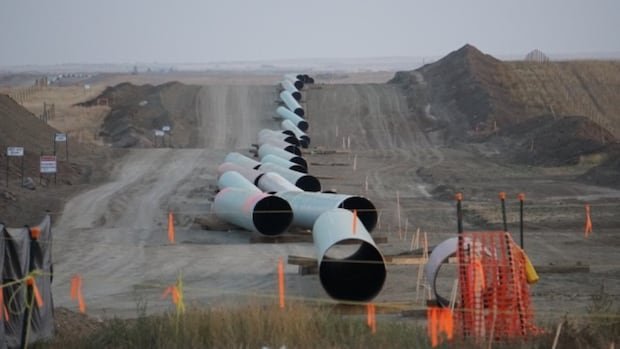
Alberta is a significant oil producer, generating around five million barrels per day, with the majority of this oil being exported to the United States through pipelines crossing other western provinces. While an illustration shared by Wilson depicts direct trade routes from Alberta to the U.S., the reality is more complex, as a considerable portion of Alberta’s oil and gas exports transit through neighboring provinces before reaching the U.S.
The reliance on transshipment through other provinces poses challenges for an independent Alberta seeking to prioritize trade with the U.S. Negotiating agreements for seamless transit of goods would be essential, as highlighted by experts. Establishing new trade deals and ensuring smooth transshipment processes would be critical for an independent Alberta’s economic stability post-secession.
Various factors, including existing treaties and trade relationships, would need to be renegotiated, with potential complications and uncertainties in the process. The intricate nature of international trade agreements and transshipment logistics underscores the complexity of transitioning to an independent state for Alberta.
Moreover, potential trade disruptions or tariffs post-secession could impact the flow of goods between provinces. The interdependence of trade routes and the necessity of oil and gas supply from Alberta for other regions of Canada may influence future trade negotiations and agreements.
In summary, the journey towards independence and establishing new trade relationships for Alberta would involve intricate negotiations and considerations to ensure a smooth transition and continued economic stability. The interplay of existing infrastructure, trade dependencies, and regulatory frameworks would shape the path forward for an independent Alberta in the global market landscape.

