
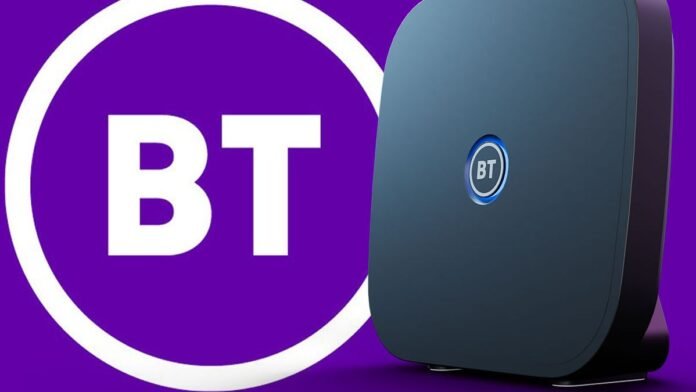
BT has introduced a new method for accessing the internet, offering more than just a connection to online services. The company’s latest Smart Hub 3 Wi-Fi router is set to launch in households across the UK soon, boasting enhanced connectivity and additional security features.
One of the standout features is its technology that can automatically detect risky websites, providing users with alerts before potential malware or other online dangers can infiltrate their systems. Additionally, the router is equipped to identify suspicious activities by hackers attempting to breach smart home devices, such as internet-connected cameras, and proactively block such threats.
Users will have visibility into detected threats through the Hub Threat Protect feature in the MyBT app, empowering them to enhance their online security measures and thwart potential cyberattacks effectively.
In addition to security enhancements, the Smart Hub 3 prioritizes performance, supporting Complete Wi-Fi Plus to improve signal coverage throughout homes and eliminate weak signal areas.
The Smart Hub 3 boasts a sleek, minimalist design featuring a small BT logo at its center, as observed in images shared online by Mirror.
While the router supports Wi-Fi 6 rather than the newer Wi-Fi 7 standard found in some rival devices, such as those from EE, Wi-Fi 6 remains highly capable for most households, outperforming older Wi-Fi 5 and Wi-Fi 4 equipment. Wi-Fi 7 offers faster speeds, lower latency, and enhanced reliability, making it ideal for activities like gaming, 8K streaming, and advanced smart home configurations.
BT’s Smart Hub 3 will be accessible to new customers, with potential upgrade options available for some existing users.
In summary, Wi-Fi 6 enhances wireless performance by boosting speed, efficiency, and capacity compared to previous versions, while Wi-Fi 7 takes it a step further with wider channels, reduced latency, and even higher speeds, catering to demanding applications like gaming and advanced smart home setups. For most users today, Wi-Fi 6 remains a robust choice, while Wi-Fi 7 presents a more future-proof solution.

