
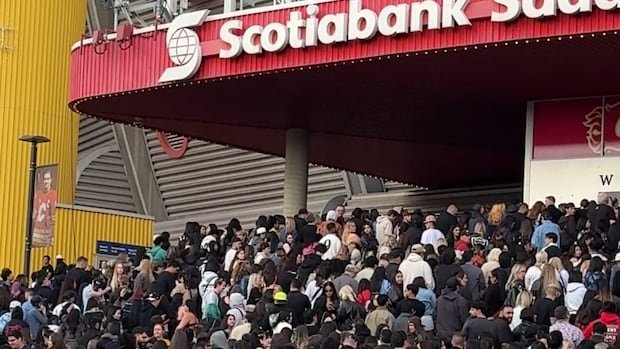
Attendees of the Ne-Yo and Akon concert in Calgary faced significant delays, leading to frustration and disappointment. Amandeep Walia, who had eagerly anticipated the event, found himself and his wife waiting for hours at the Scotiabank Saddledome before the show finally commenced. He expressed concerns about the lack of organization and safety measures during the prolonged wait, estimating that the night’s expenses, including tickets, a babysitter, and food, totaled around $700.
Originally scheduled for 8 p.m., the concert was rescheduled to 9 p.m. before ultimately starting close to 10:45 p.m. Walia lamented the missed opportunity for a full concert experience due to the significant delay, highlighting the impact on attendees who had made arrangements and incurred additional costs.
This incident in Calgary is not an isolated case, as similar delays have affected other high-profile concerts this summer. Jay-Z’s final show at Yankee Stadium in New York started after midnight, while heavy rain forced Harry Styles to postpone a performance in Mexico City. These incidents have raised questions among fans about the guarantees provided by concert tickets.
Entertainment lawyer Kurt Dahl emphasized that consumers have limited rights when faced with delays at concerts. The fine print often includes clauses allowing for changes in event schedules without notice, leaving ticket holders with little recourse. Promoters incorporate flexibility into ticket agreements to accommodate the unpredictable nature of artists, who may delay performances for various reasons.
Ashish Sharma, from the Consumers Council of Canada, noted the lack of statutory rights for concert delays and the need for prompt communication with attendees in such situations. Despite the increasing expenditures on live entertainment by consumers, the industry faces challenges in managing unforeseen circumstances that can disrupt events.
While ticket holders may not have automatic rights to refunds for delayed performances, public pressure and reputation management can influence how artists and organizers respond to such situations. Ultimately, attendees like Walia believe that compensation or credits should be offered for significant delays to ensure a positive concert experience for fans.

