
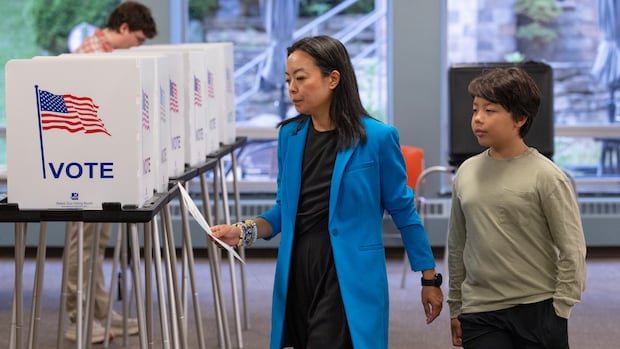
As the United States approaches the midterm elections, a challenging primary season has deepened the divide between the insurgent progressive and centrist factions within the Democratic Party. The upcoming elections will determine control of Congress in November and potentially influence the 2028 presidential race.
Centrists advocate for candidates emphasizing moderate and practical policies to secure seats from Republican dominance. In contrast, progressives argue that uninspiring establishment candidates will fail to mobilize a coalition of young people, the working class, and diverse voters crucial for the party’s success.
Hans Noel, an associate professor at Georgetown University, acknowledges the challenge of determining which faction resonates more with voters. While progressive candidates may alienate some traditional Democratic supporters, they can also attract new voters who may have been previously disengaged.
The primary season has seen both victories and defeats for both progressive and centrist candidates. Notably, in Wisconsin, moderate candidate David Crowley won the primary for governor over Francesca Hong, a self-described Democratic Socialist. Hong faced criticism for her past statements on police funding and other controversial issues.
Progressive candidates like Abdul El-Sayed in Michigan have secured victories by focusing on issues such as universal healthcare, campaign finance reform, wealth taxation, and foreign policy changes. El-Sayed’s win highlighted the growing influence of progressive ideals within the party.
Despite these wins, concerns remain about the progressive movement’s ability to win key battleground states. While progressives reevaluate positions that could deter voters, moderate Democrats warn of potential risks in swing states.
Fareed Zakaria highlighted the divide between educated urban areas supporting progressive candidates and rural regions favoring centrist candidates. The upcoming midterms will test whether the passion of the left can translate into electoral success against the broader appeal of centrist candidates.
Debates within the Democratic Party continue as they navigate the path forward. The outcome of the midterms will shed light on the party’s direction and the effectiveness of different ideological approaches in securing electoral victories.

