
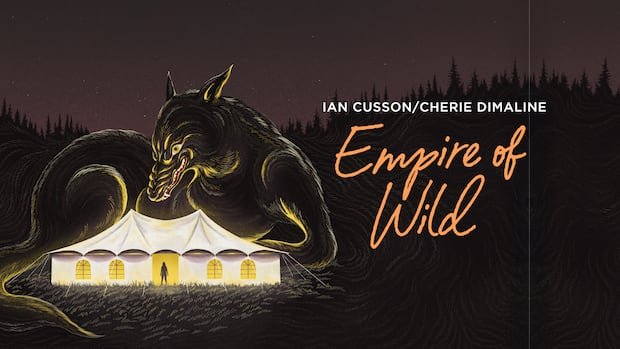
In Cherie Dimaline’s novel “Empire of Wild,” a trio of women spanning three generations grapple with liberating a loved one from the clutches of the werewolf-like Rogarou. Their mission aims to rescue a missing husband and safeguard their territory from corporate interests.
The narrative, described as gritty, alluring, and intense, earned the distinction of being Indigo’s top book of 2019, surpassing major titles like Margaret Atwood’s “The Testaments” and Taylor Jenkins Reid’s “Daisy Jones & The Six.”
A substantial investment of approximately $4 million is underway to support an Indigenous-led creative team in transforming the book into an opera, set to debut globally in Toronto next spring. This bold move seeks to attract a younger demographic and newcomers to opera, potentially challenging traditionalists who favor the conventional repertoire.
“Empire of Wild” unfolds in the Georgian Bay Métis community of Penetanguishene, Ontario, where author Cherie Dimaline hails from. Composer Ian Cusson, also a native of the area, resonated with the story’s depiction of the Rogarou, reminiscent of tales shared by his mother.
The collaboration between Dimaline and Cusson as they crafted modern, relatable characters for contemporary audiences is central to the opera’s essence. This inclusive approach embraces diverse voices and realistic dialogues, including elements like profanity and humor that defy expectations within the operatic realm.
The production is likened to an intense cinematic experience, incorporating darker themes that appeal to younger audiences seeking immersive entertainment. The cast, featuring talents like Innu soprano Elisabeth St-Gelais in the lead role of Joan, underscores the story’s relevance to contemporary viewers.
At its core, “Empire of Wild” delves into themes of power, resistance, and resilience. The narrative follows Joan’s quest to reunite with her husband amidst sinister forces at play, relying on ancestral wisdom to navigate challenges along strong matrilineal lines.
The opera showcases a diverse ensemble of performers, including Indigenous artists like Kwagiulth and Stó:lō mezzo-soprano Marion Newman and Anishinaabe baritone Evan Korbut, embodying characters inspired by Métis folklore while conveying universal truths of endurance and cultural persistence.
This groundbreaking project, spearheaded by Indigenous creators, symbolizes a transformative era of Indigenous excellence across various sectors, including the arts. The collaborative ethos of the creative team, led by figures like Cree costume designer Jeff Chief and Algonquin director Yvette Nolan, emphasizes inclusivity and collective artistry.
Ian Cusson envisions this innovative approach to opera production as a model for future endeavors, advocating for a holistic and egalitarian creative process that values every individual’s contribution. This ethos of shared creation fosters a sense of community and empowerment among all involved in the artistic endeavor.

