
Indigenous leaders are expressing their disapproval of Manitoba Premier Wab Kinew’s recent statements regarding the criminalization of residential school denialism. Kinew made these remarks in response to federal NDP MP Leah Gazan’s proposal to amend the Criminal Code to address the promotion of hatred against Indigenous people.
Gazan’s bill aims to make it illegal to condone, deny, justify, or minimize the impact of the residential school system in Canada through public statements. Kinew, while acknowledging Gazan’s efforts, emphasized the importance of education over criminalization in combating misinformation.
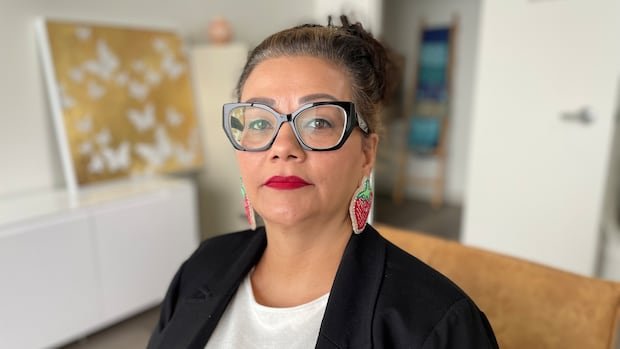
Hilda Anderson-Pyrz, president of the National Family and Survivors Circle, criticized Kinew’s stance, stating that it exacerbates the harm experienced by survivors and those affected by the ongoing denialism surrounding residential schools. She emphasized the need for accountability measures to prevent further harm to Indigenous communities.
The Assembly of Manitoba Chiefs also expressed disappointment in Kinew’s position, highlighting the importance of addressing the legacy of residential schools and promoting accountability.
For over 150 years, Indigenous children were forcibly taken from their families to attend government-funded residential schools aimed at assimilating them into Euro-Canadian culture. These schools, operated mostly by Christian religious organizations, have had a lasting impact on Indigenous communities, with thousands of documented deaths among the students.
Gazan defended her bill, drawing parallels to the criminalization of Holocaust denialism and stressing the need for legal consequences for extreme cases of denialism, especially when wielded by individuals in positions of power. Despite facing challenges, Gazan remains committed to advocating for legislative changes to honor her promise to residential school survivors.
Gazan first introduced Bill C-254 in October 2024, reintroducing it in October 2025. The bill is currently in the legislative process, awaiting further readings and reviews before potentially becoming law.

