
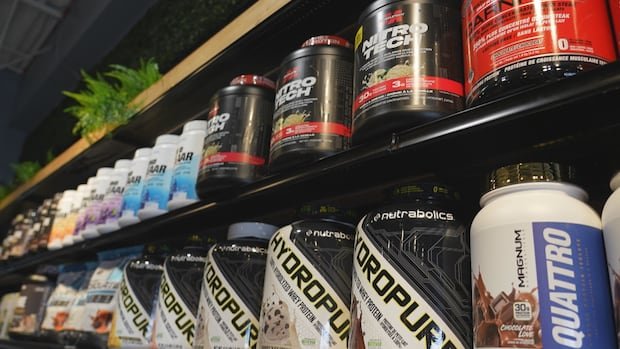
Jennifer Mason has been incorporating whey protein powder into her diet to increase her protein intake. However, she is now facing the challenge of escalating prices which are making her reconsider her purchases as a new mother with growing financial responsibilities.
The surge in demand for whey protein in various food products, from snacks to beverages, by food manufacturers and fast-food chains is leading to shortages of the ingredient and record-high prices. This situation is further exacerbated by the ongoing U.S.-Canada trade war, adding to the costs that consumers may ultimately bear.
Popular brands are capitalizing on the health-conscious trend by infusing their products with whey protein to cater to fitness enthusiasts and weight-loss medication users who are increasingly focusing on protein consumption to prevent muscle loss.
John Murray, the marketing manager of a protein snack company in Tecumseh, Ont., highlights the challenges faced by smaller businesses in securing sufficient whey protein due to large orders by major corporations, resulting in price hikes. Most of Canada’s whey protein is imported from the U.S., where prices have more than doubled in the past year and a half.
As a consequence, businesses like Daryl’s Bars are compelled to raise prices to cope with the escalating costs, impacting their profit margins. The trade war has further strained food manufacturers, with Canadian businesses seeking relief through Ottawa’s tariff-remission program to offset the increased expenses incurred due to tariffs on American whey imports.
Mike von Massow, a food economist at the University of Guelph, emphasizes the complexity of boosting whey protein supply quickly, given its production as a byproduct of cheese manufacturing and the expensive process of converting liquid whey into powder.
The Dairy Processors Association of Canada anticipates a shift towards sourcing whey protein from New Zealand to circumvent the rising costs of U.S. imports, albeit with added shipping expenses. This move could potentially lead to higher prices throughout the supply chain, impacting consumers like Audrey Marcoux and Nathan Bugiardini.
Some consumers are exploring plant-based alternatives and whole foods in response to the soaring whey protein prices. Melania Antic expresses her dismay over the increased costs, which are affecting her motivation to continue her fitness routine due to the financial strain.
Overall, the escalating prices of whey protein are prompting individuals to reassess their dietary choices and explore alternative options as they navigate the challenges posed by the current market dynamics.

