
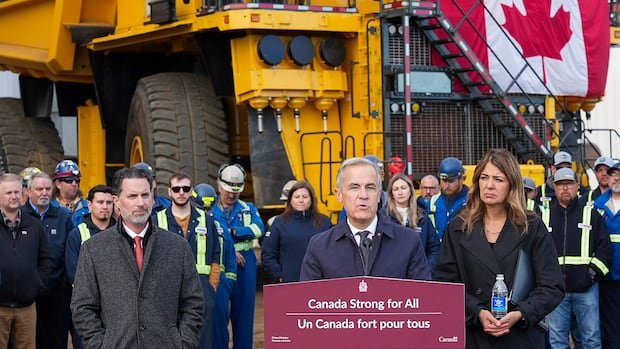
Métis leaders in the Wood Buffalo area of Alberta are accusing the Canadian government of sidelining them in talks regarding the proposed Pacific Link pipeline project. Prime Minister Mark Carney met with various First Nations leaders before declaring the West Coast oil pipeline as being in the national interest under the Building Canada Act. However, leaders from six Métis communities claim they were not consulted before the announcement.
During a press briefing in Fort McMurray, Alberta, Métis leaders highlighted their exclusion from the joint federal-provincial news conference on October 1 and the lack of information regarding ownership stakes in the project. “Silence is acceptance, and that’s why we’re not staying quiet,” said Kelly Myers, district captain for Fort McMurray Métis, expressing their discontent.
The proposed Pacific Link pipeline aims to transport one million barrels of oil daily from Alberta’s oilsands region to tankers near Delta, British Columbia. The federal and provincial governments target construction approvals by September 2027 and pipeline operation by 2032 or 2033.
Carney has pledged a 10% ownership opportunity for Indigenous communities and emphasized Indigenous involvement in the project from the outset. Métis leaders from Fort McMurray, Fort Chipewyan, Fort McKay, Willow Lake, Conklin, and Chard, who were not consulted, raised concerns and questions they wish to address before federal approvals are finalized.
Ruby Ladouceur, president of Fort Chipewyan Métis Nation, voiced worries about increased oilsands development leading to environmental risks. She stressed the importance of inclusive consultations, pointing out that Carney engaged with First Nations chiefs on National Day for Truth and Reconciliation, ignoring the Métis leaders.
Stella Lavallee, president of Willow Lake Métis Nation, criticized the lack of consultation and communication about a project impacting their region. The Alberta government reiterated its commitment to engaging with Métis and First Nations communities, emphasizing ongoing dialogue and collaboration.
The Métis leaders are not against the pipeline but seek meaningful engagement and a platform to address their concerns before any decisions are made.

