
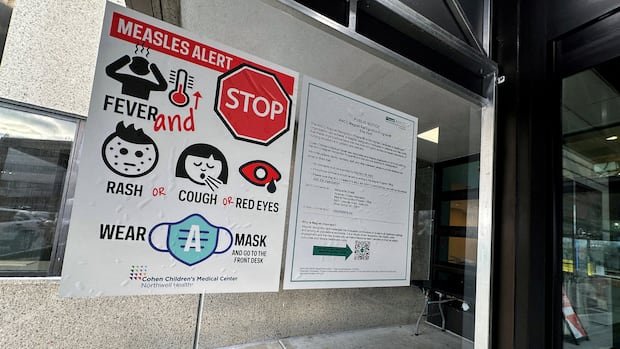
New York Governor Kathy Hochul announced a state of emergency due to a measles outbreak, marking the first time a U.S. state has made such a declaration since the surge of cases in 2025. In response to rising measles cases in rural areas, the state has expanded the group of healthcare professionals authorized to administer measles-mumps-rubella (MMR) vaccines.
Governor Hochul emphasized the importance of preventing vaccine-preventable illnesses, stating that nobody should suffer severe consequences or death from such diseases. New York has recorded 108 measles cases so far this year, with 92 cases reported since July 15 in under-immunized rural regions across 18 counties, significantly exceeding the usual annual figures.
Out of the reported cases, seven are in New York City, and the remaining 101 are distributed throughout the state. To combat the outbreak, local health departments have administered over 1,000 MMR doses in rural communities since mid-July. The neighboring state of Pennsylvania is also grappling with a rapidly spreading outbreak, with 977 cases and five fatalities as of October 2, primarily in rural counties bordering New York.
Pennsylvania’s total cases surpassed 1,000, establishing it as the most extensive measles outbreak in over 30 years. The U.S. is facing its most severe measles year since 1991, with nearly 3,900 reported cases, according to the Centers for Disease Control and Prevention.
Under the emergency measures, registered nurses are now authorized to order tests for suspected measles, and pharmacists can administer vaccines to children as young as two years old. Additionally, all MMR vaccinations must be reported to state or New York City immunization registries within 72 hours, with the requirement waived for adults’ consent for reporting.
While vaccination still requires patient or guardian consent, the emergency declaration went into effect immediately and will remain in place until November 4.

