
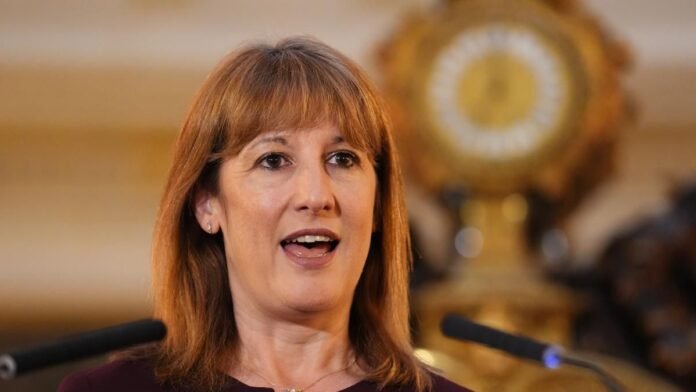
Rachel Reeves has decided against pushing forward with a proposal to raise income tax in the Budget. According to sources within the Treasury, improved economic projections have lessened the financial shortfall, enabling the Chancellor to abandon the plan. Reeves had been hinting at potential income tax hikes on November 26, suggesting that the alternative would involve budget cuts.
Efforts were made by ministers to persuade MPs to support the measure, despite conflicting with Labour’s commitment to shield working individuals from VAT, National Insurance, and income tax increases. The Office for Budget Responsibility informed the Treasury that the deficit in public finances is closer to £20 billion rather than the previously predicted £30-40 billion.
The more optimistic forecast is attributed to robust tax revenues, driven partially by higher wages leading to increased tax payments, as well as a less severe decline in productivity than anticipated. Speculation prompted a sell-off of government bonds overnight due to concerns about potential policy shifts by the Chancellor.
A government source emphasized the importance of transparency regarding the financial challenges and exploring all available options. While the Chancellor never intended to violate the manifesto pledge, the source stated that if it can be avoided, it will be. However, the source cautioned that tough decisions lay ahead, with taxes still being a consideration.
Reeves is facing a significant task in balancing the budget and is anticipated to incorporate around £15 billion in flexibility to guard against future economic uncertainties. One option under consideration is extending the freeze on income tax thresholds for an additional two years beyond the originally planned end in 2028, potentially affecting more individuals as their incomes increase.
Health Secretary Wes Streeting welcomed the reversal on breaking Labour’s manifesto promise, emphasizing the importance of maintaining public trust in politics. Despite speculations about internal party dynamics, the decision to backtrack on the tax increase plan was reportedly not influenced by recent controversies in Downing Street.
Experts expressed concerns over the potential impact of altering key policies, warning that shifting away from income tax hikes could lead to higher taxes elsewhere, potentially hindering economic growth. The decision-making process leading up to the Budget was cited as causing uncertainty, with calls for a careful approach to market-sensitive information.
In response to queries, a Treasury spokesperson declined to comment on tax speculation outside of official fiscal events, reaffirming the commitment to delivering a Budget focused on fair choices to secure Britain’s future.

