
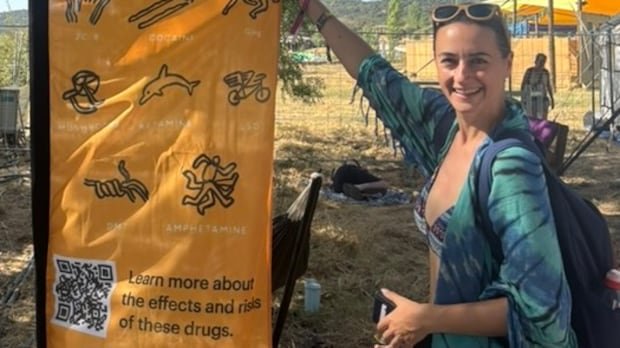
Summer music festivals have long been venues where individuals opt to use psychedelics and other substances. A team of researchers is examining the implementation of harm reduction strategies at these events to extract valuable insights. Erika Dyck, a history professor at the University of Saskatchewan with expertise in psychedelics, highlighted that music festivals, being common settings for substance use, also serve as platforms for harm reduction efforts. Kenneth Tupper, an adjunct professor at the University of British Columbia, emphasized that drug checking practices, originating in Canada at music festivals, gained momentum in response to the toxic drug crisis around 2016.
The adoption of innovative technologies, such as the FTIR spectrometer by the British Columbia Centre on Substance Use in 2017, facilitated drug testing at festivals like Shambhala and Bass Coast. The recent Regina Exchange Folk Festival prioritized harm reduction and safety, with measures including security, hydration stations, and an on-site ambulance, alongside the presence of a naloxone station from the Nēwo Yōtina Friendship Centre to address potential overdoses.
Tupper advocated for drug testing services to provide individuals with certainty before drug consumption decisions and highlighted the importance of counseling to navigate drug experiences effectively. Dyck underlined the significance of documenting harm reduction strategies employed at festivals to enrich the ongoing discourse on the subject. The research project aims to compile a comprehensive record of these strategies for future reference and consideration in harm reduction efforts.

