
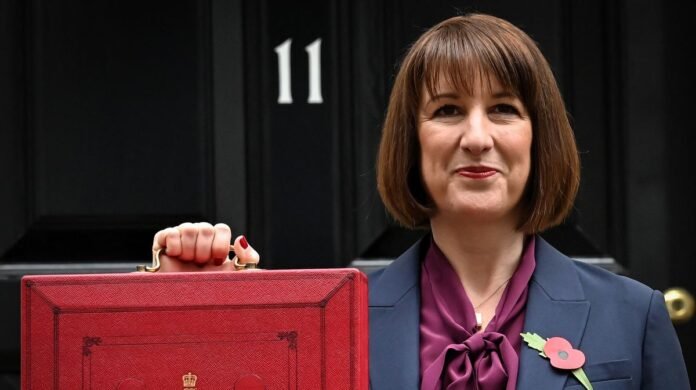
Chancellor Rachel Reeves has decided against altering Labour’s manifesto by increasing income tax rates in the upcoming Budget. It is estimated that reducing the higher rate income tax threshold from £50,270 to £46,000 by 2029/30 could generate approximately £9 billion, surpassing the previously considered plan of raising income tax by 2p and lowering employee national insurance by the same amount.
While this measure would benefit many lower earners, it could still impact around 30% of workers, including those in the public sector. Expert analysis suggests that decreasing all income tax thresholds by 10% could yield £17 billion by 2028/29, but such a move would likely face political challenges.
There are reports indicating that Reeves may opt to extend the freeze on personal tax thresholds and National Insurance for an additional two years starting in April 2028, potentially raising £8.3 billion annually by 2030. This tactic, known as a “stealth tax,” gradually increases the tax burden on individuals as their incomes rise.
The Institute for Fiscal Studies warns that the freeze could lead to more people, including those on the minimum wage and full new state pension, becoming liable for income tax in the near future. Matthew Oulton, a research economist at IFS, highlighted the significant impact of extending the freeze, emphasizing its broad-based and progressive nature in generating additional revenue.

