
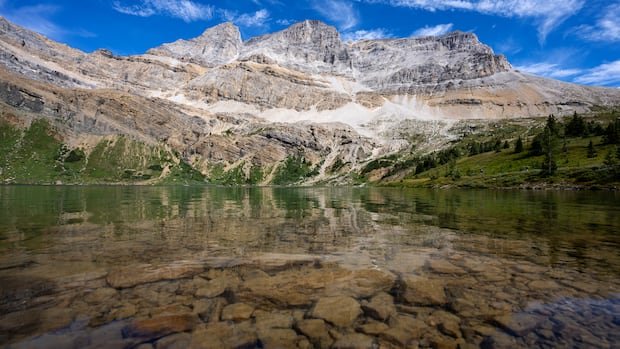
In a hypothetical scenario where Alberta decides to separate from Canada, negotiating the terms could involve intricate discussions, with a particular focus on the unique situation of the Town of Banff. Situated on federally-owned parkland, Banff operates under a lease agreement with the federal government, paying $550,000 annually since its incorporation in 1990. While residents possess their homes, the land itself is leased from Ottawa, adding a layer of complexity to governance.
The province manages essential services like the local hospital and schools, but federal oversight extends to most bylaw changes, creating a challenging governance structure. As Alberta’s upcoming October 19 vote approaches, including a potential referendum on separation, residents of Banff are grappling with uncertainties about their future within the town.
Similar concerns are echoed in the Town of Jasper, located about 300 kilometers northwest of Banff and also situated within a federal park in Alberta. The implications of a province seceding are profound, especially for a town like Banff, which boasts a larger population compared to Jasper.
According to a 1998 Supreme Court ruling, any move towards Alberta’s separation would require Canada’s consent, implying a lengthy process of negotiations to determine asset division and debt allocation. Drawing parallels with historical instances like the dissolution of Czechoslovakia or the Nisga’a Agreement in British Columbia, political science expert Tom Urbaniak emphasizes the intricate nature of separation talks, encompassing various aspects such as resource allocation, financial obligations, treaty renegotiation, and compensation agreements.
The fundamental questions in Banff revolve around the town’s status post-separation. Would Alberta claim all land within its borders, irrespective of federal or provincial ownership? What concessions would be necessary to secure Ottawa’s approval? These uncertainties highlight the complexity and responsibility associated with the separation process.
Banff’s mayor, Corrie DiManno, advocates against the referendum, emphasizing the longstanding partnership between Banff and Ottawa in critical areas like conservation, wildfire prevention, and housing. DiManno’s concerns reflect the broader anxieties within the community, particularly regarding the potential impact on tourism and residents’ daily lives should separation occur.
Indigenous perspectives also play a significant role in the discourse, with Stoney Nakoda elder Alice Kaquitts underscoring the deep spiritual connection Indigenous communities have with the land surrounding Banff. As discussions around separation unfold, the legal challenge initiated by a coalition of First Nations highlights the necessity of Indigenous inclusion in negotiations, given the sacred significance of the land and the obligations set forth by historic treaties.
Despite the uncertainties looming over Banff and Alberta as a whole, the focus remains on unity and collaboration to navigate the complexities of potential separation, underscoring the significance of respecting historical treaties, preserving cultural heritage, and fostering a sense of shared responsibility towards the land.

