
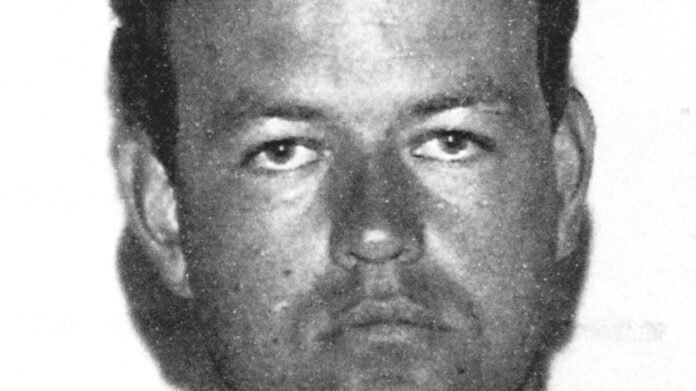
The Parole Board has decided that Colin Pitchfork, a convicted double child killer and rapist, will not be released from prison. Pitchfork, now 65 years old, was sentenced to life in 1988 for the rape and murder of 15-year-olds Lynda Mann and Dawn Ashworth in Leicestershire in 1983 and 1986. The board, citing concerns about public safety, determined that Pitchfork should remain incarcerated and not be considered for transfer to an open prison.
According to the board’s assessment, Pitchfork lacks sufficient internal controls and insight into his risky behavior. They concluded that he has not made significant progress in addressing and reducing the risks associated with his actions, which are deemed incompatible with placement in an open prison.
Pitchfork’s attempt to challenge Parole Board decisions related to an alleged sexual assault on another prisoner was dismissed by the High Court in February. He was set for a potential release review in 2021, but legal disputes regarding access to information on new allegations about his behavior in prison delayed the process.
Having been the first person in the UK convicted using DNA profiling at the age of 27, Pitchfork’s minimum jail term was initially set at 30 years, later reduced to 28 years. Previous reviews highlighted his satisfaction from assaulting his victims and described his violent acts as results of pent-up rage.
The board noted that Pitchfork’s risk escalates during periods of life stress or relationship breakdowns, contributing to his negative attitudes towards women. Despite a brief release in September 2021, he was returned to prison for breaching his license conditions. Subsequent reviews of his detention were met with conflicting decisions, with a later ruling to release him being overturned by the justice secretary.
Recent assessments of Pitchfork’s behavior in prison revealed frustration, breaches of rules, and loss of employment. The board found credibility in a fresh allegation of misconduct towards a younger inmate. Professional witnesses and a comprehensive dossier submitted by the justice secretary did not support his release.
The review emphasized that Pitchfork’s crimes, committed between 1979 and 1986, were well-known for their shocking nature, including two instances of indecent assault where victims narrowly escaped harm. The prosecution labeled the rape and murder of the two teenage girls as sadistic attacks.
Reforms introduced in April allowed victims of Pitchfork to observe the parole hearings in May for increased transparency in the legal process.

