
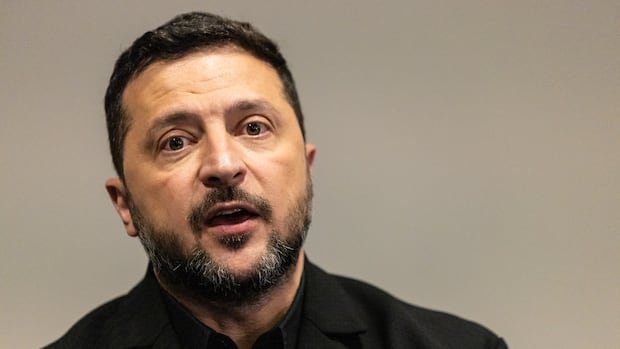
Ukrainian President Volodymyr Zelenskyy accused Russia of breaching an energy truce endorsed by U.S. President Donald Trump. Zelenskyy, speaking at a security conference in Warsaw via video link, called on Washington to ensure Moscow’s compliance with the alleged agreement. He mentioned that despite his awareness of the ceasefire deal through media reports, he awaited more information on the terms agreed upon by the U.S. and Russia. Zelenskyy emphasized the significance of American intervention in ensuring Russian adherence to the ceasefire, stating that it could be a crucial step towards ending the conflict.
The Regional Prosecutor’s Office of Kharkiv in northeastern Ukraine reported a Russian attack on an energy facility on the city’s outskirts. Zelenskyy previously acknowledged that while he appreciated Trump’s announcement, Russia continued to target energy infrastructure in Kyiv and Kharkiv. Trump’s social media posts confirmed an immediate ceasefire on energy sites between both nations but lacked specifics, leading to skepticism about the actual implementation of the deal.
Russia’s attacks on Ukrainian energy facilities, aimed at depriving civilians of essential services, have been described as a tactic to weaken public resistance. In response, Ukraine has retaliated by targeting Russian energy sites, including oil refineries within Russian borders. This exchange has led to Trump blaming Zelenskyy for high diesel prices in the U.S., just before the upcoming midterm elections.
EU foreign policy chief Kaja Kallas expressed doubt about Russia’s commitment to the ceasefire and highlighted the need to prevent further casualties beyond just energy strikes. Canadian Prime Minister Mark Carney reiterated support for the energy ceasefire but condemned the U.S.-Russia diesel deal, stating it contradicted the goal of aiding Ukraine and instead funded Russia’s war efforts. The European Union and Ukrainian officials criticized the diesel agreement, speculating that it aimed to benefit the Republicans in the midterm elections.
A tragic incident occurred when a Russian drone attack in Kharkiv resulted in the death of three individuals and injuries to several others, including children. Ukrainian air defense forces managed to counter several Russian drones, preventing further casualties. Additionally, Russia targeted gas production facilities of Naftogaz, Ukraine’s state oil and gas company, causing damage and prompting efforts to restore operations swiftly.
The Russian Defense Ministry claimed to have intercepted Ukrainian drones over various regions, including Crimea, while conducting drone strikes on Ukrainian port infrastructure and a military cargo vessel destined for Odesa. The ongoing hostilities underscore the fragile nature of the situation, with conflicting reports and actions challenging the prospects of a lasting ceasefire.

