
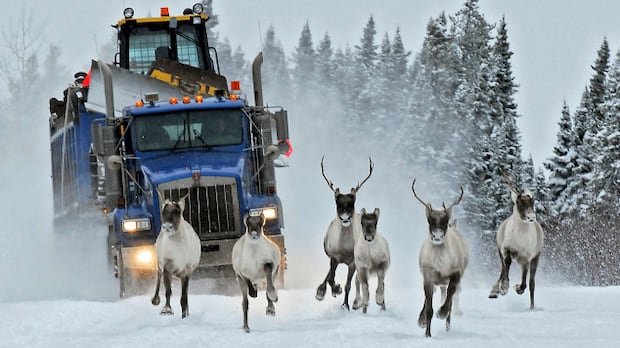
A particular species in Canada can be classified as endangered and still face prolonged delays in receiving protection decisions from Ottawa, while the environment it depends on continues to change. According to a recent analysis, out of 288 species identified as at risk since 2017, only 17 have been reviewed by the Governor in Council within the recommended timeframe. As of January 25, 2025, 153 species, including caribou, beluga whales, and lake sturgeon, were past their due date for a decision.
The study highlights a key bottleneck in the Species at Risk Act (SARA), where although Ottawa has set guidelines for advancing assessments, there is no legal deadline for a critical stage in the process. This loophole has been criticized for allowing authorities to delay crucial decisions balancing conservation and economic interests.
Dr. Peter Thompson, a researcher at Simon Fraser University, emphasized that the government consistently fails to meet its own suggested timelines of one to two years. One example is the Saskatchewan-Nelson River population of lake sturgeon, designated as endangered in 2017 due to a significant population decline since the 1960s. The population missed a federal deadline in January 2020 and remains in limbo five years later.
The protection of species under SARA hinges on formal listings by the federal government, which can trigger restrictions on harming or capturing them and necessitate a recovery strategy, including the identification and safeguarding of critical habitats. These safeguards are crucial for aquatic species, like Pacific salmon, as SARA’s protective measures apply nationwide for aquatic species, unlike most terrestrial species limited to federal lands.
Indigenous consultation is also a factor in listing delays, with Indigenous groups expressing concerns about the impact on culturally significant species. Andrea Reid, an expert in Indigenous Fisheries Science, emphasized the importance of integrating Indigenous perspectives into the listing process to preserve cultural connections while ensuring species protection.
The lack of clarity and vague reasons for delays in the listing process have raised concerns among researchers. Critics argue that the absence of a statutory timeline allows governments to sidestep difficult decisions on conservation priorities. Environment and Climate Change Canada acknowledged the gap and highlighted the need for additional time for public, industry, and Indigenous engagement in some cases.
Overall, there is a pressing need to streamline the listing process to provide timely protection for species facing threats and ensure a balance between conservation efforts and economic considerations.

