
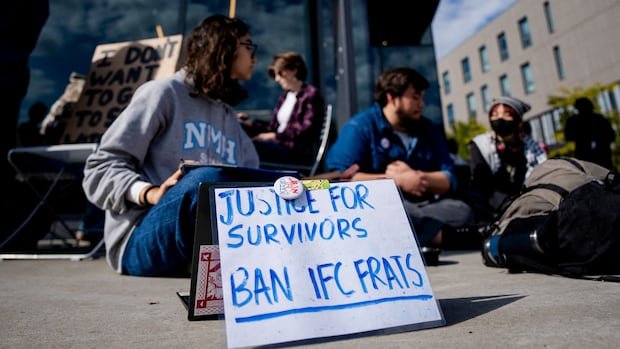
Cornell University has decided to halt all fraternity gatherings and functions for the remainder of the 2026-27 academic year, according to an announcement made by President Michael Kotlikoff on Tuesday. This action comes in the wake of an alleged gang rape incident at one of the university’s fraternities, which has sparked demands for accountability and reform.
President Kotlikoff, under pressure to resign due to the case, emphasized a policy of “zero tolerance” for any breaches of the new directive. In a written statement published on Cornell’s official website, he stated that any fraternity hosting an internal party or social event would face immediate emergency suspension.
These measures are part of a broader initiative by Kotlikoff to enhance campus safety, provide better support for survivors, and begin addressing the underlying issues surrounding sexual violence at Cornell. The high-profile case involving a lawsuit filed by a woman, identified as Jane Doe, against the university and her alleged perpetrators has garnered international attention.
The incident, in which seven members of Cornell’s Chi Phi fraternity are accused of sexually assaulting Jane Doe at their fraternity house in October 2024 while she was incapacitated, has triggered protests on the university campus in Ithaca, New York, calling for justice and an end to sexual violence.
Recently, New York Governor Kathy Hochul appointed Letitia James, the state’s attorney general, as a special prosecutor to investigate the case. Additionally, Cornell announced the appointment of Sally Yates, a former U.S. deputy attorney general, to review the school’s policies regarding sexual harassment, assault, and related misconduct, including an examination of the university’s response to the allegations made by Jane Doe.
President Kotlikoff’s statement also outlined the university’s plans to assign a dedicated case manager to assist individuals reporting sexual misconduct in navigating processes such as securing housing and academic accommodations. Furthermore, Cornell will permit criminal investigators from the New York State Police, who operate independently of the university, to handle sexual assault allegations on campus, a departure from the usual practice where campus police, under the university’s control, investigate reported crimes on Cornell’s premises.

