
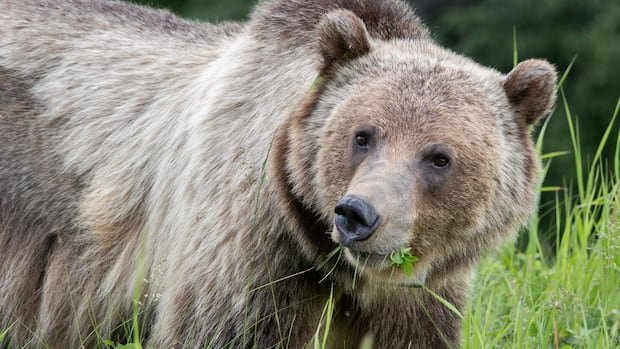
Provincial authorities in Alberta are currently probing several incidents of poachers unlawfully killing grizzly bears in the region. The Alberta Fish and Wildlife Enforcement Services are investigating the illegal deaths of four grizzly bears at different locations, with one bear discovered shot dead on September 30 along a road approximately 20 kilometers north of Swan Hills, northwest of Edmonton. Another grizzly was found deceased the following day, October 1, in a remote area between Little Smoky and Fox Creek, with all four paws removed from the bear’s body. These incidents follow the discovery of two grizzly bears shot dead in June near Sundre, about 95 kilometers northwest of Calgary. In March, the province sought public assistance in a poaching investigation after a grizzly bear was found dead from a gunshot wound in November 2025.
Hunting grizzly bears has been prohibited in Alberta since 2006, except for Indigenous hunters who harvest for subsistence or cultural reasons. Authorities urge anyone with information on these poaching incidents or other suspected wildlife offenses to contact the Report-A-Poacher line or submit a report online at alberta.ca/report-poacher. Informants providing information that leads to charges being laid may be eligible for a cash reward through the Report-A-Poacher program.
Gordon Stenhouse, a prominent biologist involved in grizzly bear population research in Alberta, expressed disappointment at the shootings and abandonment of grizzly bear carcasses, citing this act as a display of disregard and disrespect for wildlife. Stenhouse suggested that the number of poached bears discovered likely represents only a fraction of the actual incidents, emphasizing that many cases may go undetected.
The Alberta government tracks human-caused grizzly bear mortality, revealing that from 2020 to 2025, there were 28 documented cases of illegal grizzly bear killings, accounting for approximately 17% of grizzly bear deaths during that period. Other significant causes of grizzly bear mortality include being killed by the province or struck by vehicles. Grizzly bears have been classified as a threatened species in Alberta since 2010.
University of Alberta ecology professor Mark Boyce highlighted the existence of a black market for grizzly bear paws and emphasized that poaching is not a major issue in grizzly bear conservation efforts. However, he condemned the recent incidents as regrettable, underscoring the illegal nature of poaching activities.
Bear Safety and More founder Kim Titchener described poaching as a symptom of the ongoing conflict between humans and bears sharing the landscape, advocating for better co-existence strategies. Titchener emphasized the importance of implementing resources such as electric fencing, guard dogs, and bear-resistant containers to mitigate conflicts rather than resorting to the killing of grizzly bears.
The Alberta government’s initiatives include investing $700,000 over five years to prevent large carnivores from accessing rural properties in southwestern Alberta, focusing on measures like electric fencing and enhancing grain bins. The province also supports BearSmart programs across Alberta to reduce human-wildlife conflicts and minimize grizzly bear mortalities. While the province estimates the current grizzly bear population at around 1,000 in Alberta, a provincial population study has not been conducted since 2018.

